
[David] All right, Alice, get over to you and your comments about the legislative update.
[Alice] Yeah, so I already gave my little rant on the flood insurance program since it was brought up by MBA, but the main thing I wanna make sure everyone is aware of is the FHA drafting table. This, if you’re not familiar with this, what FHA does now is instead of just publishing one of their announcements and mortgage e letters, they’ll put it out on the drafting table and you’ll have a period of time, usually 30, 60 days to go in and read the draft mortgage e-letter before it actually gets published. This is a great way to make sure that FHA addresses any questions you might have about what they’re about to publish. So it’s not really a proposed rule process where you can go in and say, wait a minute, I don’t like this at all. But in this case with the mortgage e letter the one that’s on the drafting table today it’s really one that I think everybody’s gonna like. It’s just a matter of making sure FHA got the verbiage straight. They are proposing and looks like it will be effective once this is published. It’ll be effective immediately that on the limited 203K you can move up to having four draws. Was limited to two. And so for those of you who aren’t familiar. The 203K program for FHA, this is rehabilitation. I love this program. This is a great program, but there is a short list of lenders in this country that do this well and do it properly. And I’m gonna put a shout out to Union Home Mortgage, who is fabulous at this program. So you’ve gotta have a lender that knows what the heck they’re doing so that it’s smooth for you as a consumer. But it is something you can buy a home that needs fixing up. You can, if you already own a home this is a great program for renovation lending and so I’m a big advocate of this. I love whenever they make changes like this that make the program easier to work with. So four draws obviously means it’s easier to keep the contractor flowing with money. As one contractors get their money, then they’re happier. And so we this is a great change. So check out the FHA drafting table. Check it out right away to make sure if you see anything in here, those of you who are lenders that needs to be modified you can go ahead and make that recommendation to HUD when you respond here. If you go to their drafting table page, there’s an, basically, it’s old school. It’s an Excel worksheet you fill in to make any grammar or text recommendations that you have or overall changes. So that’s my update for today. Dave, for those of you who aren’t aware, I went to look up this number. I’m gonna track it down real quick here from the 2015 census, which is really the last time we have some data on this. There were roughly 58 million housing units built before 1960.
[David] Talk about market opportunity. Alice, everyone’s looking for business.
[Alice] One of the layers out there for housing is to rehab the houses in our inner cities and rural areas, our aged housing stock. And this is a great program.
[David] Yeah. Highlight that. Put a star around that. Everybody. Yeah. And also I wanna say, so renovation, I’m a big fan of with you, Alice. I love that. Especially when you look at our aging homes and you look at some areas. It’s interesting when I drive through some communities I’m getting a chance to travel around a little bit more than I did previously. And I’m looking as we go through some communities and some of them are just run down and then there’s going, there’s other communities you drive through and you go this town is being renovated. We’ve got a local community here, it’s called Liberty Hill. And they have an old town. I think this thing was built. The bridge Old Town was built in the turn of the century. And you look at how this inner city is being revitalized and it’s coming alive and the homes that are in there are being revitalized. And I don’t know who came, maybe it’s Union Home, they have a branch out there or something, but there’s other parts of the city that was just up in Knoxville and traveling through some smaller communities there. And you see the ones that are not being revitalized and they’re declining. And you look at the ones that are being, and there’s new business, new restaurants, there’s, this is a great program. Alice, I’m so glad that you raised this up. Kudos to Union Home and those others that are leading into this program, folks that are listening to this. If you’re lending, there is an opportunity to make a difference in the communities that you serve. It’s not just financing new homes or getting the existing home business. Find something to do, make a difference. And the point I also want to make Alice is the drafting table. A lot of people that are listening to this podcast are new to the industry. They’re growing and wanting to learn, and that’s why they listen to the podcast. One of the things you can do if you’re new to the industry or even a veteran, you wanna know what’s going on. Start reading these drafting tables, go to it. It’s a great place for you to understand and get a perspective on that. And the other thing, Alice, this is a little bit of soapbox time here for me. How few people are going there and having the word we bitch and moan and complaints. Sorry about the that the sound of that is not too professional but the truth is, everyone complains because of the policies we have, but we have a drafting table. Why are we not going there and making a difference? We should be paying attention to it. We should be doing more to have our voice assert, and especially when we have the drafting table there for us to look at. So a couple rants there. So Marc,
[Marc] I’ve got a question for Alice if I could, one of the things that FHAI think needs to do more of, and I’m not sure in this program you’re talking about where they will talk about these things, but it’s one thing to go in and rehab a piece of property and put another roof on it and paint it and fix up the cracks and the sidewalks and all that stuff. But is there any major effort being done to work on things like require the air conditioners that are put in to have a certain SER rating and rep put certain kind of winders to go into for insulated type thing to control the heat and all that? Are they looking that far into that, or are they just looking at basic core rehab stuff?
[Alice] So I’m gonna double check myself here, but in the existing construction, FHA does have, they have minimum property requirements and minimum property standards. One for new construction and one for existing construction. So there, there isn’t I don’t know all the details and every single piece as far as like the areas that you just mentioned, but there are some minimum requirements that FHA will have for the standards as well as the local community. So obviously when you go through a rehab, you have to meet the local community building codes at the time.
[David] And that’s where the problem has been is when you listen to the different news sources out there. You, the problem is more in the local communities because they’ve made some asinine requirements. Do we bring every home that has to be renovated up to standards. One guy that I say, I used to do renovations that have to be in California. He says, I can’t afford to do renovations there anymore. The cost to go in to do a renovation, I’d be better just bulldoze the whole dang house down and start over from scratch than to try to go in and retrofit some of these smaller houses. Especially some of them it’s ridiculous. So I, we need this, there’s many facets to this that we need to address. Yeah. But great question.
[Alice] I think one of the, one of the things with that the limited 203K program does is, for example, if you just want the kitchen redone, right? Yes. It’s just outdated cabinets for you. And then, so that hopefully doesn’t open up too many cans of worms for lots of building codes. You’re not trying to replace walls and that type of thing. Yeah. It’s the infrastructure.
[David] When you get into the infrastructure that you start that the government gets into it. And so that’s a great point. Great discussion. Yeah, good point. Thanks Mark. Yeah, good. Kudos for bringing up renovation. I love it. Great topic. One of my favorite ones, especially as we drive through cities. ’cause I love seeing cities get renovated. Maybe it’s ’cause we’re old Marc. We just like seeing old things renovated. Marc, we’re going through renovation.
[Marc] Yeah, they can start on me next week. David. I need it.
[David] Yeah. Kittle’s lifting his face. It’s just, it’s the faceless. Yeah. Oh yeah. We gotta put some of these vid videos up for bloopers. Maybe we’ll do a bloopers reel where we have kid doing, stretching his face up and all these expressions. Good stuff all the way around. Alice, thanks for another great report. I appreciate you so much. Good stuff.
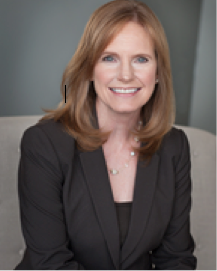
Alice Alvey, Master CMB
She handles development of their World Class Training program designed to support UHM partners and organizational effectiveness.
Prior to UHM, Alice served as Senior Vice President at Indecomm leading the Indecomm-Mortgage U division, Internal QA and Compliance and SaaS technologies. Indecomm acquired Mortgage U in 2013, where Alice was President/Co-founder, providing training and consulting since 1996. Prior to MU she served as SVP of Operations at a national bank overseeing operations for wholesale, retail and correspondent from underwriting through servicing, and compliance.
She has been in the trenches of mortgage lending operations from application through servicing for over 30 years. Her authoring work in training content, policies and procedures and the FHA/VA Practical guides illustrates her ability to bridge regulatory requirements with day-to-day operations.
Alice has been a weekly contributor to the Lykken on Lending show since its beginning in April 2009 and has made her weekly contributions to 450+ episodes!