
[David] Alice Alvey, let’s get over to you. One of the update on what’s happening, legislative, what you have.
[Alice]Sure. Hi everybody. So just a couple of quick things. First of all, we have two proposed rules that are open for comment. The first one, the Department of Labor proposed rule basically when to classify someone as an employee and when the worker may be classified as an independent contractor under the Fair Labor Standards Act. So if you want to comment on that, and you have until April 28th. So go check that out. And then a proposed rule was launched on April 10th by, let me get back to my notes here. I’m sorry, April. 20th the, and the comment, this is by fin, so the financial crimes enforcement net Network, their proposed rule on the AML and now CFT for you old timers, that’s counterfeiting, I’m sorry. Countering financing of terrorism versus, we used to call it A-M-L-B-S-A. So this has four components to it. And the notice of proposed rule making process really did bring a lot to light of what was wrong with the initial ideas on where the department thought this was headed. So this is a real interesting actual proposed rule, right? So there’s an advanced notice of proposed rule making process. We talked about that last summer, and now this is the proposed rule that has incorporated some, but not all of the changes that they received from the commenters. So you do need to read this and make some comments again. Whether or not this is something that you feel is clear enough for how to handle an independent testing program, how to handle the risk assessment process. ‘Cause there are a lot of commenters out there who feel that the proposed rule is still missing some details to it in order to be able to execute on it. Properly, everyone’s typically afraid. For those of you haven’t been faced with auditors we’re always assuming that they’re gonna go by the letter of the law and they’re going to minute A rule is vague. Now we struggle with how the examiners each interpret those and they can have a tendency to interpret them differently than we might. So I think that’s why people look for that. These rules have enough specifics that they can have clear PMPs. So that comment period is open for a little bit still, you have until June 9th to comment on that. So those of you in the compliance world, you wanna go check that out. And last but not least Fannie issued a memo on artificial intelligence and security and the programs that you need to have around those that matches up with Freddie Mack having published one that went into effect back in March. Fannie’s is going to be effective in August here. They aren’t exactly the same. So you do need to study that. That’s interesting. And determine which way you’re gonna go. Freddy’s are a little tighter. Do you wanna follow Freddy if you deliver more to Fannie? So I just wanted to make sure everyone was paying attention to that and Alan, I was gonna see if you had anything you wanted to opine on the agency’s requirements for managing your AI and machine learning.
[Allen] Yeah, there’s a lot there Alice. Thanks for bringing that up. You know what’s interesting and Freddy was first to, say that, Hey, we’ve got these rules that everyone’s gotta follow. Everyone knew Fannie was gonna be coming up with them. There are some true differences though, between the two groups. But in general just on what Alice said, lenders, you folks, you are responsible for ai and you’re responsible as well by your vendors for the vendors that you implement into your workflow. And there’s a liability in general. So if your AI decisions can’t be explained, you have to answer to the two agencies. And so it is, I guess you could say now it’s regulated and it’s in an auditable framework. There’s some core differences. I’ve got a data grid here that I’ll just run through just what the true differences are that make the most sense. There’s a core focus between the two and this is where things are really interesting. Freddie Mac, even though they were first, and people say they’re more restrictive, they’re looking at model risk and operational control, versus Fannie, that they’re looking at enterprise risk and governance. And there’s a big difference there because if you have only one AI vendor that does one thing or one component of ai, you only have to audit and have the liability against that model. Fannie wants your entire organization. Your enterprise organization, the risk and governance to be auditable, and you have to prove it. Freddie cares more about how the AI works and performs how it’s controlled, where Fannie is. Where is the AI used across your business? Again, back to that enterprise level. On Freddie’s side, the primary control is model validation, how it’s monitored, how it’s enforced, right? For that independent vendor or that model that you’re using. For Fannie, it’s your total AI inventory, all of your policies and your entire oversight across the whole organization. Now, before I go on, I just wanna mention really quick the difference between Freddie and Fannie. You really have to consider you. You still should have an AI inventory and policies across your organization, so it doesn’t matter that Fannie’s saying they’re more deeply concerned about your enterprise versus Freddie, because if you’re managing the security of your data and your organization and your IT policies. Directly, right? Safe use of your PCs that work at home users, what access they have to data and how they share it. Then these policies work across the board. But these are very important. There is a vendor responsibility on both. So keep that in mind, you are accountable. And there is there the risk, make sure you’re getting insurance. We talked about this a couple weeks ago. You need to get it insurance or cybersecurity. Insurance, right point. But there’s, yes, there’s additional levels of insurance. So get out there, call your insurance broker, Google it. There’s a ton of them out there. You make sure you’ve got enough insurance. If some AI platform has data and they are hacked, you could potentially, it doesn’t mean you’re liable, but if the lawsuit comes your way, you have to support it, right? So make sure you have cybersecurity insurance and Alice I’ll throw it back to you ’cause we’re still talking in your segment, but hopefully that helps with a little bit of the the insight.
[Alice] So it did.
[Kittle] So if I could go out to Alan here real quick, when he is talking about AI insurance, there’s also, what do you think about when you have a claim or one of the vendors preferred partners you use because of their AI causes a loan repurchase? There’s insurance out there for that now, and Arthur Briton has a great insurance program for that. Jeff that’s just came out with an AI policy. Oh, he did All good. Yeah. These are,
[Allen] Yeah, these are absolutely critical. You should be managing your repurchase risk on your own and you should have policies. So this fits right into it. But you’re a hundred percent David. There also needs to be a review of your vendors. We have an old a good old friend. I hate to use the word old ’cause just old in time, a friend of Regina and Regina had a vendor oversight company. If you guys remember. David, we had talked to her about that platform many times. Yes. And yeah. And ultimately if you consider what she was doing, she was way before her time because she was trying to help our lender community have all your ducks in a row and your i’s dotted and your t’s crossed. If you didn’t do that, now you’re playing catch up and the consequences are worse. So make sure you’re looking at the priest in group and other folks about repurchase risk, your cybersecurity, your AI security, your insurance rather, I meant and so forth. And your vendor oversight. Huge.
[Marc] If I chime in here a minute please piggyback on what Alan said. I know insurance I’ll say I’ll probably know insurance better than anybody else on this call. ’cause I’ve, all my insurance agencies have managed me and I’ve been knee deep in it and been a licensed agent and all this stuff. I’m telling you, we got a major problem going on this because the insurance companies always look. At any way not to pay a claim. And I’m gonna tell you right now, our industry better figure out how we lock down everything on ai. Because here’s what I’ve figured, found in my life is the biggest issues that have caused me problems in mortgage banking It’s been people failure for not having property quality control, but it’s been really system failures, whether it’s tracking documents we never got, whether it’s a underwriting exception that came in and was sent in by an email that was never dealt with. All those things that got logged down on the system and the human never got to. So I agree with everything that’s been said, but I really think we need to focus on AI and make sure we develop an approved QC plan on AI that agencies and other people look at and say is okay when they come in for audit. Because if not, they’re gonna hand it to us. Really bad down the road when we start having losses and we will have losses. And every time there’s a company in California that Mr. Lykken not do real well, it’s got a full fledged AI origination. And I believe they built a good system. I really do. I know the people well enough, I think they did, but they got AI from beginning and end. And anytime you have that, if you don’t have that proper QC from humans in there you’re gonna have a problem. And I think we’re still decades away from having systems that are that perfect that we don’t need humans to review the information. So I just put everybody on wonder ’cause you down the road, like I think Mr. Kittle said, or maybe it was Alan when you start getting repurchases because AI missed something because a human didn’t check it out it could be an expensive proposition as we go down the road.
[Kittle] Absolute. And the absolutely will not disseminate whether or not it was AI or a human. They’re just going to add it Doesn’t matter. That’s right.
[Marc] They don’t care. They don’t care. Yeah. Yeah.
[Bill] And so let me piggyback on one of the things Mark said, right? And most of us are old enough, we have a long technology history, but two of the greatest technological achievements, right? Man on the moon, and then the surviving of the Apollo 13 mission, Both of those, the ultimate success came down to what individual people did in a moment in time. Great point, right? And that’s number one, number two, right? And Dave, you were talking a little bit about it then. The pre-call, but think about now when you have a homeowner’s insurance claim and between what wind covers water damage, is it rain? Is it flooding? Did something happen before the windows broke or after the windows broke? Their entire industry is about figuring out how not to pay. So why does anybody think that AI insurance is gonna pay out versus trying to find any little technological nugget that says it’s the other guy’s problem, not ours, and we’re not paying.
[David] Yeah, great point. Bill. Having gone through that, Alice’s just going through it.
[Alice] Yeah. And I wanna throw in one more thing on the topic. Along the same lines is down at the procedural level. So everybody has a tendency to think about the AI and the underwriting and that, enterprise level, but you have people all through your company who are probably using AI on their own for different things. You’ve got to get that under control. And Alan, as you talk about vendors, I hope companies out there are thinking about their TPO partners. So who’s liable if my TPO partner, who I’ve purchased a loan from, do I need to have specifics in my agreements with them on how I’m comfortable with ai? Or am I absolving myself of anything related to ai? Does that now need to become part of agreements between TPO partners? Yeah. How does the wholesale world apply with ai? Yeah. And actually it’s interesting because. A lot of the brokers are using portals that’s what we see in the news every day. Everyone’s implementing ai, pre underwrite, post underwrite, et cetera, et cetera. Inherently there’s a risk that goes all around. We’re gonna see a lot more here. I think the number one thing is go out and get some insurance because as you learn the landscape and as it continues to change you wanna make sure you’re protected.
[David] Yeah. We need to get Arthur Prieston back on the podcast Kittle and as well as Bob Simpson of AML. , There’s a lot going on as this thing world gets getting more and more complicated from AI and all that. We just need, when do you want him? As soon as possible. We’ll record it when, as soon as he’s available, we’ll get him on. We’ll find it. ’cause it’s that important to have a topic.
[Marc] So I want to add one more little tidbit there. I’ve talked many times on the podcast about. AI has made me 40% more efficient. And I’m not joking that is really does it. But what I’ve found doesn’t matter, which I use four or five different kinds depending on what I’m researching and whatnot. If you don’t do a fact check, I compare those ais to each other and stuff like that. You’re gonna get burnt because it will, not intentionally, but it’ll pick something up, interpret the wrong way and give it to you. So if you don’t know what you’re writing about, you don’t know what you’re trying to document, you better look at it even closer and make sure you do comparisons from different places. And then when you get finished with your final product, run it by you a buddy. So you have a clean set of eyes in the industry to look at it and say, did I miss anything? I’m gonna take anything for granted here. Because sometime human intervention is the only thing that saves us from losing our ass.
[David] Yep. How many times has that one human going? It just doesn’t feel right. Have saved us countless, tens of thousands, hundreds of thousands, even millions of dollars. Good stuff. Alice, thanks for bringing that all up. Anything else you have? That’s it. Thanks, Dave. Good.
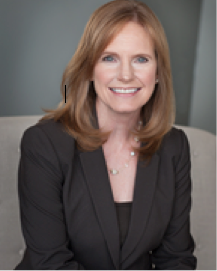
Alice Alvey, Master CMB
She handles development of their World Class Training program designed to support UHM partners and organizational effectiveness.
Prior to UHM, Alice served as Senior Vice President at Indecomm leading the Indecomm-Mortgage U division, Internal QA and Compliance and SaaS technologies. Indecomm acquired Mortgage U in 2013, where Alice was President/Co-founder, providing training and consulting since 1996. Prior to MU she served as SVP of Operations at a national bank overseeing operations for wholesale, retail and correspondent from underwriting through servicing, and compliance.
She has been in the trenches of mortgage lending operations from application through servicing for over 30 years. Her authoring work in training content, policies and procedures and the FHA/VA Practical guides illustrates her ability to bridge regulatory requirements with day-to-day operations.
Alice has been a weekly contributor to the Lykken on Lending show since its beginning in April 2009 and has made her weekly contributions to 450+ episodes!